Uzyskaj dostęp do tej i ponad 240000 książek od 14,99 zł miesięcznie
- Wydawca: Peepal Tree Press
- Kategoria: Literatura obyczajowa i piękna•Literatura piękna
- Język: angielski
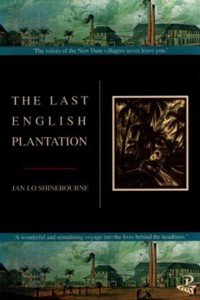
'So you want to be a coolie woman?' This accusation thrown at twelve year old June Lehall by her mother signifies only one of the crises June faces during the two dramatic weeks this fast-paced novel describes. June has to confront her mixed Indian-Chinese background in a situation of heightened racial tensions, the loss of her former friends when she wins a scholarship to the local high school, the upheaval of the industrial struggle on the sugar estate where she lives, and the arrival of British troops as Guyana explodes into political turmoil. "Jan Shinebourne captures the language of movement, mime, silences, glances, with a feeling that comes from being deep within the heart of the Guyanese community. In The Last English Plantation her achievement lies in having the voices of the New Dam villagers dominate the politically turbulent period of 1950s Guyana - A wonderful and stimulating voyage into the lives behind the headlines, into the past that continues creating the changing present. The voices of the New Dam villagers never leave you." Merle Collins. Jan Lowe Shinebourne was born at Rose Hall sugar estate, in Canje, Berbice, in what was then British Guiana. The country was under colonial rule, and she lived through the dramatic events that moved the country when it became independent and changed its name to Guyana. Jan describes her first three novels and most of her writing as being deeply influenced by this period and the rapid and dramatic changes she experienced. She currently resides in West Sussex.
Ebooka przeczytasz w aplikacjach Legimi na:
Liczba stron: 306
Rok wydania: 2020
Odsłuch ebooka (TTS) dostepny w abonamencie „ebooki+audiobooki bez limitu” w aplikacjach Legimi na: