84,99 zł
Dowiedz się więcej.
- Wydawca: Science & Technology Publishing
- Kategoria: Literatura popularnonaukowa•Nauki humanistyczne
- Język: angielski
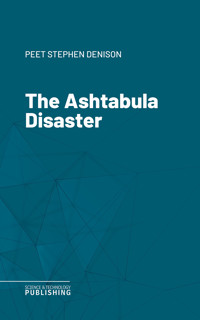
The Ashtabula Disaster is a detailed and harrowing account of one of the most tragic railroad accidents in American history, the Ashtabula River Railroad Disaster, which occurred on the night of December 29, 1876, in Ashtabula, Ohio. Authored by Stephen D. Peet, the book meticulously chronicles the events leading up to the catastrophe, the collapse of the iron bridge under the weight of a passenger train, and the subsequent plunge of the train into the icy river below. Through vivid descriptions and firsthand testimonies, Peet captures the chaos, terror, and heroism that unfolded as passengers struggled to escape the wreckage and flames in the freezing cold. The narrative delves into the construction and design flaws of the ill-fated bridge, the decisions made by railroad officials, and the broader context of 19th-century American rail travel. Peet provides a compassionate portrayal of the victims and survivors, recounting their stories with sensitivity and detail. The book also explores the aftermath of the disaster, including the rescue efforts, the public outcry, the official investigations, and the impact on railroad safety regulations. Richly illustrated with engravings and photographs, The Ashtabula Disaster serves as both a memorial to those who lost their lives and a cautionary tale about the perils of technological progress unchecked by proper oversight. It stands as a significant historical document, offering readers a window into the human cost of industrial advancement and the enduring quest for accountability and reform in the face of tragedy.
Ebooka przeczytasz w aplikacjach Legimi lub dowolnej aplikacji obsługującej format:
Liczba stron: 193
Rok wydania: 2025