Uzyskaj dostęp do tej i ponad 240000 książek od 14,99 zł miesięcznie
- Wydawca: epubli
- Kategoria: Biznes, rozwój, prawo•Biznes, rozwój
- Język: angielski
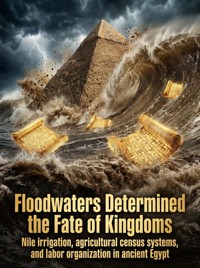
Egyptian civilization survived because the Nile River could be measured, managed, and transformed into political power. Seasonal floods shaped harvests, taxation, labor obligations, and the administrative rhythms of one of the ancient world's most sophisticated bureaucracies. This account examines the economic foundations of ancient Egypt through irrigation systems, agricultural management, and centralized state administration. Royal officials conducted crop surveys, organized labor rotations, and coordinated storage networks designed to stabilize food production across vast territories. Bureaucratic efficiency became essential for maintaining both royal authority and social continuity. The book also explores the relationship between economic organization and monumental construction. Pyramid complexes, temples, and state infrastructure depended on carefully mobilized seasonal labor rather than constant slave populations. Agricultural cycles allowed the monarchy to redirect workers toward massive public projects that reinforced political legitimacy and dynastic prestige. Ancient Egypt appears here as a hydraulic state where environmental control, economic planning, and centralized administration merged into a durable structure of imperial governance.
Ebooka przeczytasz w aplikacjach Legimi na:
Liczba stron: 340
Rok wydania: 2026
Odsłuch ebooka (TTS) dostepny w abonamencie „ebooki+audiobooki bez limitu” w aplikacjach Legimi na: