107,99 zł
Dowiedz się więcej.
- Wydawca: epubli
- Kategoria: Literatura popularnonaukowa•Nauki humanistyczne
- Język: angielski
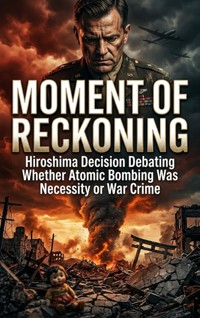
This book investigates how one wartime decision became a permanent test of moral authority, strategic necessity, and legal meaning. It asks whether Hiroshima should be understood as an act of coercive war-making, a harsh instrument to end a conflict, or a boundary case that exposed the limits of modern warfare. The narrative follows three systems: command logic inside late-war decision making, where invasion estimates and surrender conditions shaped elite calculation; legal framing, where distinction between military and civilian targets remained contested; and historical memory, where survivors, state narratives, and public commemoration produced competing interpretations of legitimacy. Hiroshima stands here as more than an event; it is a lens on how states justify extreme violence and how postwar societies argue over responsibility. In German and European markets, the subject carries lasting weight because it ties together ethics, law, and the politics of remembrance.
Ebooka przeczytasz w aplikacjach Legimi lub dowolnej aplikacji obsługującej format:
Liczba stron: 246
Rok wydania: 2026