107,99 zł
Dowiedz się więcej.
- Wydawca: epubli
- Kategoria: Literatura popularnonaukowa•Nauki humanistyczne
- Język: angielski
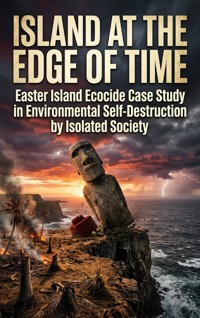
This book probes how the story of Easter Island became a global parable of environmental self‑destruction, weaving together archaeology, oral memory, and climate constraint to ask whether "ecocide" was self‑wrought or a myth imposed from the outside. It follows the island as a microcosm of big‑history questions: how fragile ecosystems, social competition over monumental symbols, and external contact reshape the fate of a small, isolated world. First, it examines the traditional "ecocide" narrative—the image of Moai‑driven deforestation, soil erosion, and population collapse—showing how wood scarcity, shifting subsistence, and the loss of long‑distance voyaging reconfigured Rapa Nui life long before European contact. Second, it traces how recent DNA, paleoecological, and agricultural studies have unsettled this picture, suggesting a more stable, adaptive population that managed severe limits through rock‑garden agriculture and flexible social structures rather than reckless overexploitation. Third, it weighs the role of external forces—disease, slave‑raiding, and colonial disruption—showing why the true "collapse" may lie more in post‑contact rupture than in an earlier ecological suicide.
Ebooka przeczytasz w aplikacjach Legimi lub dowolnej aplikacji obsługującej format:
Liczba stron: 153
Rok wydania: 2026