87,99 zł
Dowiedz się więcej.
- Wydawca: Science & Technology Publishing
- Kategoria: Literatura popularnonaukowa•Nauki humanistyczne
- Język: angielski
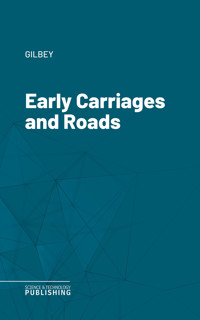
Early Carriages and Roads by Sir Ralph Payne-Gallwey is a comprehensive exploration of the evolution of road travel and the development of carriages in England from the earliest times up to the 19th century. Drawing on historical records, illustrations, and firsthand accounts, the book delves into the origins of wheeled vehicles, tracing their progress from primitive carts and chariots to the sophisticated coaches and carriages that became symbols of status and innovation. Payne-Gallwey examines the social, economic, and technological factors that influenced the design and use of carriages, including the impact of road construction, the introduction of springs and improved axles, and the changing needs of travelers and commerce. The narrative is enriched with detailed descriptions of various types of carriages—such as the coach, chariot, curricle, and phaeton—highlighting their construction, ornamentation, and the horses that drew them. The book also provides insight into the lives of coachmen, postilions, and travelers, painting a vivid picture of the challenges and adventures of road travel before the advent of railways. With a keen eye for detail and a passion for history, Payne-Gallwey brings to life the bustling world of inns, turnpikes, and coaching routes, as well as the gradual improvements in road engineering that made long-distance travel more feasible and comfortable. Illustrated with period engravings and diagrams, Early Carriages and Roads serves as both a scholarly resource and an engaging narrative for readers interested in transportation history, social customs, and the ingenuity that shaped the journey from medieval carts to the elegant carriages of the Georgian and Victorian eras. The book stands as a testament to the transformative power of innovation and the enduring human desire to connect distant places, making it an essential read for historians, enthusiasts, and anyone fascinated by the story of travel.
Ebooka przeczytasz w aplikacjach Legimi lub dowolnej aplikacji obsługującej format:
Liczba stron: 113
Rok wydania: 2025