Uzyskaj dostęp do tej i ponad 240000 książek od 14,99 zł miesięcznie
- Wydawca: epubli
- Kategoria: Literatura popularnonaukowa•Nauki ścisłe
- Język: angielski
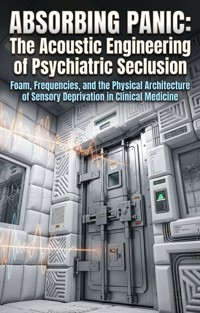
How do you design a room that is physically incapable of inflicting harm, yet psychologically powerful enough to de-escalate severe human panic? The architectural answer lies in the highly specialized, often misunderstood design of the modern psychiatric seclusion room, commonly known as the padded cell. Far from the barbaric dungeons of 19th-century asylums, modern seclusion architecture is a marvel of material science and acoustic engineering. The heavy polyurethane padding is not just for physical safety; it serves as a massive acoustic dampener. By entirely absorbing echoing soundwaves and eliminating sharp visual corners, the room artificially lowers the occupant's sensory intake. This deliberate environmental muting forcefully slows the neurological feedback loops of acute psychosis and sensory overload. This fascinating medical-architectural deep dive explores the physics of clinical containment. It documents the evolution of impact-resistant elastomers, the strict fire-safety regulations of synthetic foams, and the complex ethical debates surrounding the extreme sensory isolation of vulnerable patients. Discover the silent physics of therapeutic architecture. Understanding the engineering behind psychiatric seclusion reveals how hospitals use targeted acoustic and tactile deprivation to artificially reset the overwhelmed human brain.
Ebooka przeczytasz w aplikacjach Legimi na:
Liczba stron: 152
Rok wydania: 2026
Odsłuch ebooka (TTS) dostepny w abonamencie „ebooki+audiobooki bez limitu” w aplikacjach Legimi na: