Uzyskaj dostęp do tej i ponad 240000 książek od 14,99 zł miesięcznie
- Wydawca: CLXBX
- Kategoria: Literatura obyczajowa i piękna•Literatura piękna
- Język: angielski
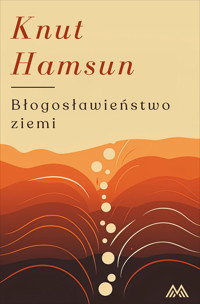
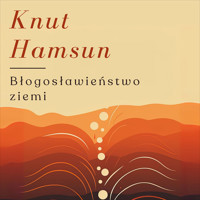
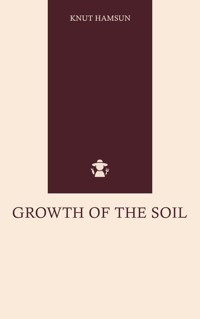
Growth of the Soil is a timeless novel by Nobel Prize–winning Norwegian author Knut Hamsun, celebrating the dignity of rural life, the power of nature, and the enduring spirit of human perseverance. First published in 1917, the novel is widely regarded as one of the greatest works of Scandinavian literature and a profound tribute to the relationship between humanity and the land. 🌱 The story centers on Isak, a quiet, hardworking pioneer who settles in an untouched wilderness in northern Norway. With little more than determination and patience, he begins to cultivate the land, building a farm from the ground up. Through relentless labor—clearing forests, planting crops, and raising livestock—Isak gradually transforms the barren landscape into a thriving homestead. His life is simple but deeply meaningful, rooted in the rhythms of nature and the honest work of survival. Soon, Isak is joined by Inger, a woman who becomes his wife and partner in building their life on the farm. Together they face the challenges of frontier living: isolation, hardship, personal struggles, and the complexities of family life. Their story unfolds over many years, following the growth of their farm, their children, and the small community that begins to form around them. As the wilderness slowly turns into a settlement, the novel explores the contrast between traditional rural values and the pressures of modernization. Hamsun portrays the steady, patient labor of farming as noble and deeply human, while questioning the restless ambitions and artificial lifestyles emerging in the modern world. Through richly detailed descriptions of the landscape and seasons, the author paints a vivid portrait of life lived close to the earth. At its heart, Growth of the Soil is about creation and endurance—the way human beings shape the land while the land, in turn, shapes them. The novel celebrates resilience, self-sufficiency, and the quiet satisfaction that comes from building something lasting through honest work. Rather than relying on dramatic plot twists, Hamsun focuses on the gradual unfolding of life itself: births, struggles, mistakes, and the slow rewards of persistence. Hamsun's writing is deeply atmospheric, immersing readers in the forests, fields, and mountains of rural Norway. His characters are complex and deeply human, reflecting both the strengths and weaknesses of ordinary people striving to create a meaningful life. The novel's calm yet powerful storytelling gives it a meditative quality, inviting readers to reflect on the fundamental connection between people, nature, and community. Awarded the Nobel Prize in Literature in 1920, Growth of the Soil stands as a masterpiece that honors the value of simplicity and the enduring power of the natural world. More than a story about farming, it is a profound exploration of human purpose, reminding readers that true growth—both of the soil and of the soul—comes through patience, dedication, and harmony with nature.
Ebooka przeczytasz w aplikacjach Legimi na:
Liczba stron: 700
Rok wydania: 2026
Odsłuch ebooka (TTS) dostepny w abonamencie „ebooki+audiobooki bez limitu” w aplikacjach Legimi na: