Uzyskaj dostęp do tej i ponad 240000 książek od 14,99 zł miesięcznie
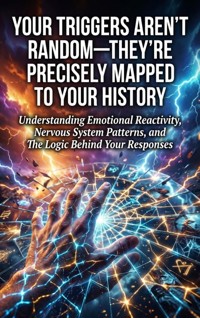
Emotional triggers feel sudden and irrational, but they follow a precise internal logic. A tone of voice, a feeling of dismissal, a moment of uncertainty—and your nervous system responds with intensity that seems disproportionate to the situation. The response feels automatic because it is. Your body recognizes patterns before your mind catches up, reacting to echoes of past experiences stored as somatic memory. This book explores how emotional triggers develop, examining the ways childhood experiences, relational patterns, and unresolved needs create specific sensitivities. It draws on neuroscience and trauma research to explain why certain situations activate defensive responses, why you might feel rage or shutdown that doesn't match the moment, and why understanding triggers intellectually doesn't stop them from happening. Rather than pathologizing reactivity or demanding you control responses through willpower, it examines the protective function behind each trigger. It explores the difference between reaction and response, between being controlled by patterns and recognizing them, between suppressing emotions and metabolizing them. For those who feel hijacked by their own intensity, who recognize they're responding to something deeper than the present moment, or who want to understand the architecture of their emotional life, this book offers clarity about how triggers form and what they're actually protecting.
Ebooka przeczytasz w aplikacjach Legimi na:
Liczba stron: 154
Rok wydania: 2026
Odsłuch ebooka (TTS) dostepny w abonamencie „ebooki+audiobooki bez limitu” w aplikacjach Legimi na: