Uzyskaj dostęp do tej i ponad 240000 książek od 14,99 zł miesięcznie
- Wydawca: epubli
- Kategoria: Literatura popularnonaukowa•Nauki humanistyczne
- Język: angielski
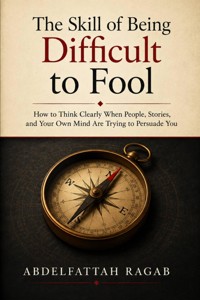
We like to believe that being fooled is something that happens to other people. People who are less informed, less careful, or too trusting. But the most effective influence rarely feels like deception. It can feel like common sense. Confidence. Social agreement. A reasonable story. A choice you believe you made entirely for yourself. The Skill of Being Difficult to Fool explores how people, stories, environments, algorithms, authority, social pressure, and even your own mind can shape what you believe and how you decide. Through everyday situations and accessible psychological insights, the book examines why confidence can be mistaken for competence, why we search for evidence that confirms what we already believe, how the questions we are given can quietly determine the answers we reach, and why some of the hardest ideas to question are the ones that feel most like our own. This is not a book about becoming cynical or suspicious of everyone. Nor is it a collection of tricks for detecting lies. It is about developing something more useful: the ability to slow down when necessary, notice how a conclusion is being shaped, separate evidence from interpretation, recognize uncertainty, reconsider beliefs without treating it as defeat, and decide which questions deserve your attention in the first place. The goal is not to become impossible to fool. Nobody is. The goal is to become more difficult to fool—including by yourself. Your mind is yours. Learn to keep it that way.
Ebooka przeczytasz w aplikacjach Legimi na:
Liczba stron: 226
Rok wydania: 2026
Odsłuch ebooka (TTS) dostepny w abonamencie „ebooki+audiobooki bez limitu” w aplikacjach Legimi na: