Uzyskaj dostęp do tej i ponad 240000 książek od 14,99 zł miesięcznie
- Wydawca: CLXBX
- Kategoria: Literatura obyczajowa i piękna•Literatura piękna
- Język: angielski
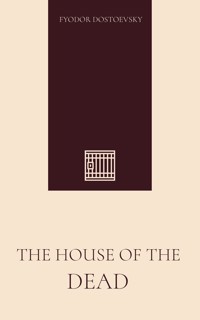
A harrowing and profoundly humane portrait of life inside a Siberian prison camp, The House of the Dead by Fyodor Dostoevsky stands as one of the earliest and most powerful works of prison literature ever written. Drawn from the author's own years of incarceration and exile, this gripping novel offers an unflinching exploration of suffering, endurance, and the resilience of the human spirit. Told through the perspective of Alexander Petrovich Goryanchikov, a nobleman sentenced to hard labor for a violent crime, the narrative immerses readers in the brutal realities of a remote penal colony. Stripped of privilege and thrust into confinement alongside peasants, soldiers, and hardened offenders, Goryanchikov must navigate a world governed by harsh discipline, rigid hierarchy, and constant surveillance. The physical hardships are severe—backbreaking labor, overcrowded barracks, chains, and the relentless cold—but it is the psychological toll that weighs most heavily. Yet within this grim environment, Dostoevsky reveals extraordinary complexity. The prisoners are not reduced to monsters or mere statistics; instead, they emerge as deeply human individuals, each carrying a story of passion, desperation, pride, or misfortune. Through vivid character sketches and intimate reflections, the novel dismantles simplistic notions of crime and punishment. Some inmates display shocking cruelty, while others reveal unexpected tenderness, humor, and even nobility. Rather than presenting a conventional plot, the book unfolds as a series of recollections—scenes of daily routines, moments of conflict, glimpses of celebration during rare holidays, and quiet conversations that expose longing and regret. This episodic structure reinforces the monotony and timelessness of incarceration, where days blur together and hope seems distant. At the same time, it allows Dostoevsky to examine themes of guilt, redemption, faith, and the moral awakening that can arise from extreme suffering. One of the novel's most striking achievements is its compassion. Though the setting is bleak, the narrative refuses to abandon the possibility of spiritual renewal. Through observation and empathy, Goryanchikov gradually discovers a deeper understanding of humanity—both in others and within himself. The experience of forced labor becomes not only a punishment but also a crucible of self-examination. Rich in psychological insight and social critique, The House of the Dead exposes the dehumanizing effects of institutional cruelty while affirming the enduring dignity of the individual soul. Dostoevsky's prose is direct yet deeply reflective, blending stark realism with philosophical depth. The novel influenced generations of writers and remains a landmark in world literature for its honest portrayal of confinement and moral struggle. Powerful, unsettling, and ultimately redemptive, The House of the Dead is more than a chronicle of imprisonment—it is a profound meditation on suffering, conscience, and the possibility of inner freedom even in the most oppressive conditions.
Ebooka przeczytasz w aplikacjach Legimi na:
Liczba stron: 627
Rok wydania: 2026
Odsłuch ebooka (TTS) dostepny w abonamencie „ebooki+audiobooki bez limitu” w aplikacjach Legimi na: