Uzyskaj dostęp do tej i ponad 240000 książek od 14,99 zł miesięcznie
- Wydawca: epubli
- Kategoria: Literatura popularnonaukowa•Nauki humanistyczne
- Język: angielski
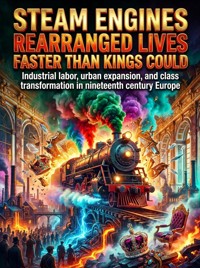
Europe changed more rapidly during the nineteenth century than many societies had changed in centuries before. Railways crossed borders, factories reshaped labor, and expanding cities pulled millions away from rural traditions into unfamiliar industrial economies. Political power increasingly followed economic transformation rather than inherited rank alone. This book examines how industrialization altered the social structure of Europe between 1815 and 1914. Aristocratic landholding elites gradually faced competition from industrial capitalists, urban professionals, and an expanding working class concentrated in rapidly growing cities. Factories reorganized daily life around mechanized production, while rail networks and telegraph systems accelerated trade, migration, and political communication across the continent. The narrative also explores the emergence of modern labor movements and class consciousness. Workers confronted dangerous conditions, overcrowded housing, and unstable wages as industrial economies expanded unevenly. Socialist parties, trade unions, and reform campaigns developed in response to social tensions created by industrial growth itself. Europe's pursuit of power therefore unfolded not only through diplomacy and empire, but through profound changes in how ordinary people lived, worked, and understood their place within modern society.
Ebooka przeczytasz w aplikacjach Legimi na:
Liczba stron: 249
Rok wydania: 2026
Odsłuch ebooka (TTS) dostepny w abonamencie „ebooki+audiobooki bez limitu” w aplikacjach Legimi na: