Uzyskaj dostęp do tej i ponad 240000 książek od 14,99 zł miesięcznie
- Wydawca: epubli
- Kategoria: Literatura popularnonaukowa•Nauki humanistyczne
- Język: angielski
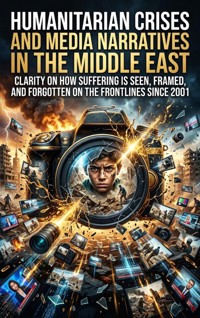
Since 2001, audiences around the world have watched images of siege, displacement, and famine in Iraq, Syria, Yemen, Gaza, and beyond—but the stories they receive rarely tell the whole truth. This book explores how humanitarian crises in the Middle East are turned into media narratives, from satellite newsrooms and newspapers to social‑media feeds and frontline footage, and how these narratives shape who is seen as victim, perpetrator, or bystander. Drawing on history, documentary‑style case studies, and critical media analysis, it traces the evolution of coverage from the Iraq War and the Arab uprisings to the Syrian war and the Gaza blockade, showing when images spur attention and when they are ignored. It examines the tension between eyewitness testimony and political framing, between local broadcasters and global networks, and between the urge to document suffering and the risk of "disaster tourism." The goal is not to condemn journalists, but to reveal how media choices quietly influence who gets help, who gets blamed, and which stories fade from view.
Ebooka przeczytasz w aplikacjach Legimi na:
Liczba stron: 206
Rok wydania: 2026
Odsłuch ebooka (TTS) dostepny w abonamencie „ebooki+audiobooki bez limitu” w aplikacjach Legimi na: