107,99 zł
Dowiedz się więcej.
- Wydawca: epubli
- Kategoria: Literatura popularnonaukowa•Nauki humanistyczne
- Język: angielski
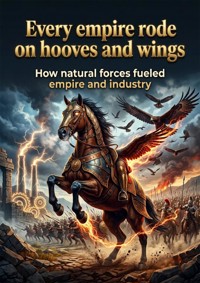
Empires did not rise on ambition alone. They rose on the backs of horses that carried cavalry charges, on the endurance of camels that crossed deserts, on the digestive systems of pigs that turned waste into food for expanding armies. This book examines the biological and logistical foundations of human power, arguing that the capacity to mobilize animals determined which civilizations grew and which collapsed. The Roman Empire's reach depended on horses for communication and mules for supply trains. The Spanish conquest of the Americas relied on horses for psychological warfare and dogs for tracking. The British Empire's global trade network used horses for urban transport and dogs for herding sheep that fed industrial populations. Each chapter explores a different historical context, from ancient Mesopotamia to nineteenth-century railway construction, showing how animal labor, waste, and diseases shaped the trajectory of human societies. The book also considers the hidden costs: the spread of zoonotic diseases, the ecological transformation of landscapes, and the moral compromises embedded in using sentient beings as tools. It concludes that understanding civilization requires acknowledging the biological infrastructure that made power possible.
Ebooka przeczytasz w aplikacjach Legimi lub dowolnej aplikacji obsługującej format:
Liczba stron: 176
Rok wydania: 2026