Uzyskaj dostęp do tej i ponad 240000 książek od 14,99 zł miesięcznie
- Wydawca: epubli
- Kategoria: Biznes, rozwój, prawo•Biznes, rozwój
- Język: angielski
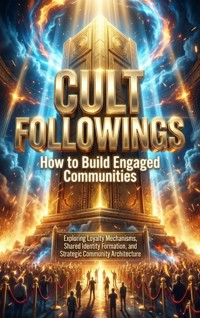
This book explores how deeply engaged communities develop around brands, products, or movements through deliberate cultivation of shared identity and reciprocal value exchange. It examines patterns in audience fragmentation where enterprises accumulate followers without fostering genuine connection, revealing mechanisms through which community architecture, ritual design, and member empowerment transform passive consumers into active advocates. The content reframes community building not as audience accumulation but as ecosystem creation where members derive status, belonging, and tangible benefits from participation beyond transactional product consumption. Readers will examine frameworks for identifying unifying beliefs, establishing membership criteria, and designing interaction spaces that facilitate peer connection rather than solely brand-to-customer communication. Through systematic analysis of cult following dynamics, the book reveals how exceptional communities operate through member ownership of shared narratives and collective identity markers. It navigates tensions between inclusive growth and exclusive belonging, exploring decision models for participation barriers, recognition systems, and governance structures that sustain engagement intensity while scaling community size. The work addresses moderation strategies, value creation loops, and cultural reinforcement mechanisms that enable communities to become self-sustaining assets generating organic advocacy and competitive moats.
Ebooka przeczytasz w aplikacjach Legimi na:
Liczba stron: 257
Rok wydania: 2026
Odsłuch ebooka (TTS) dostepny w abonamencie „ebooki+audiobooki bez limitu” w aplikacjach Legimi na: