Uzyskaj dostęp do tej i ponad 240000 książek od 14,99 zł miesięcznie
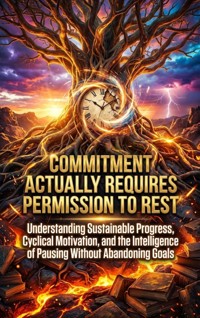
This book explores the often-overlooked reality of maintaining long-term goals in a culture that romanticizes relentless momentum and consistent daily action. Rather than treating pauses, slowdowns, or periods of minimal progress as commitment failures, it examines how sustainable achievement requires cyclical engagement, strategic rest, and the wisdom to distinguish between genuinely quitting versus temporarily stepping back to preserve capacity for continuation. Through insights into motivation science and energy management, the book investigates why constant progress narratives create burnout rather than results, how natural fluctuations in drive and capacity reflect intelligent self-regulation rather than weakness, and what the difference between abandonment and necessary pause reveals about authentic goal alignment versus externally imposed timelines. It offers perspective on recognizing when rest restores commitment versus when continued effort depletes it, the intelligence of adjusting pace without changing direction, and how permission to engage inconsistently often sustains goals that rigid consistency would destroy. Grounded in psychological research and realistic achievement patterns, this is not about pushing through resistance or maintaining motivation at all costs. It's about understanding that long-term commitment includes periods of dormancy, recalibration, and intentional slowness—and that these pauses strengthen rather than undermine eventual completion.
Ebooka przeczytasz w aplikacjach Legimi na:
Liczba stron: 237
Rok wydania: 2026
Odsłuch ebooka (TTS) dostepny w abonamencie „ebooki+audiobooki bez limitu” w aplikacjach Legimi na: