107,99 zł
Dowiedz się więcej.
- Wydawca: epubli
- Kategoria: Literatura popularnonaukowa•Nauki humanistyczne
- Język: angielski
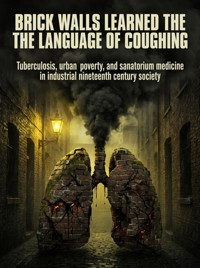
Tuberculosis changed cities long before antibiotics changed tuberculosis. Entire neighborhoods, hospitals, and public health systems emerged in response to a disease that spread through crowded housing, factory labor, and chronic poverty. The architecture of modern urban life still carries traces of that fear. This book examines how tuberculosis reshaped social and medical history from the nineteenth century onward. Industrial cities confronted rising death rates by redesigning housing regulations, ventilation systems, and public sanitation. Sanatoriums became symbols of medical hope while also reinforcing class divisions, isolating working populations judged both contagious and morally suspect. Illness increasingly carried social stigma alongside physical suffering. The narrative also follows the scientific transformation of tuberculosis research after Robert Koch identified the tubercle bacillus. Advances in bacteriology promised eventual control of the disease, yet modern medicine later faced new crises through Multi-Drug Resistant Tuberculosis and uneven healthcare infrastructure. Scientific progress repeatedly collided with political inequality. By linking medicine, urban planning, and labor conditions, the book reveals tuberculosis not simply as a disease, but as a force that reorganized how modern societies understood health, risk, and social worth.
Ebooka przeczytasz w aplikacjach Legimi lub dowolnej aplikacji obsługującej format:
Liczba stron: 221
Rok wydania: 2026