Uzyskaj dostęp do tej i ponad 240000 książek od 14,99 zł miesięcznie
- Wydawca: epubli
- Kategoria: Literatura popularnonaukowa•Nauki humanistyczne
- Język: angielski
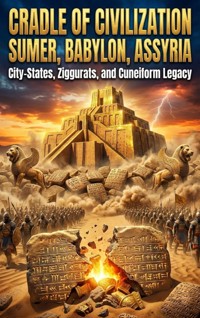
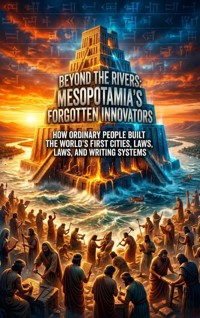
History remembers Mesopotamia for its kings and ziggurats, but the real story lies in the hands of scribes, farmers, brewers, and merchants who invented the foundations of modern life. This book traces how everyday people in ancient Iraq created urban planning, legal codes, mathematical systems, and written language between 4000 and 500 BCE—not through divine mandate, but through practical problem-solving. Drawing on archaeological evidence, cuneiform tablets, and recent excavations, the narrative follows the lived experiences of those who transformed marshlands into Uruk, Babylon, and Nineveh. From temple accountants developing the first administrative records to artisan guilds establishing trade networks across three continents, these innovations emerged from necessity, experimentation, and collective ingenuity. The book reexamines familiar landmarks—Hammurabi's Code, the Epic of Gilgamesh, the Hanging Gardens—through the lens of the workers, women, and lower officials who made them possible. It explores how irrigation management required unprecedented social cooperation, how debt crises led to the world's first written laws, and how multilingual trade created the earliest dictionaries. Relevant for readers interested in how complex societies emerge, how technology shapes culture, and how ancient solutions address modern challenges in urban planning, water management, and social organization.
Ebooka przeczytasz w aplikacjach Legimi na:
Liczba stron: 261
Rok wydania: 2026
Odsłuch ebooka (TTS) dostepny w abonamencie „ebooki+audiobooki bez limitu” w aplikacjach Legimi na: