Uzyskaj dostęp do tej i ponad 240000 książek od 14,99 zł miesięcznie
- Wydawca: epubli
- Kategoria: Literatura faktu•Autobiografie i biografie
- Język: angielski
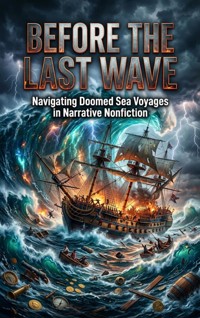
The sea has always been the most unforgiving stage for human ambition, incompetence, and courage — and the doomed voyage its most enduring narrative form. In July 1816, the French frigate Méduse ran aground on the Arguin Bank off the West African coast under the command of a royalist captain appointed not for his seamanship but for his political connections. When the ship struck, the privileged claimed the lifeboats and 150 people were abandoned on a hastily constructed raft with no compass, little water, and no formal rescue plan. Thirteen days later, when the brig Argus happened upon them by chance — no deliberate search had been mounted — only 15 were alive. The survivors had endured starvation, storm, murder, and cannibalism. Two of them wrote a published account that became an international scandal, brought down careers, and inspired Théodore Géricault's Raft of the Medusa — one of the most politically charged paintings in European history. The wreck of the Essex in 1820 — rammed twice by an enraged sperm whale in the South Pacific — sent twenty men into three open whaleboats with provisions for perhaps 60 days and a sea crossing of more than 1,000 miles ahead of them. Their 93 days of suffering, recorded by first mate Owen Chase in a narrative that circulated among sailors and eventually reached a young Herman Melville, became the living seed of Moby-Dick. Shackleton's Endurance, crushed in the Antarctic ice in October 1915, trapped 28 men on the most inhospitable terrain on earth for nearly two years — yet not a single life was lost, a fact that says less about fortune than about the extraordinary calculations of leadership under terminal conditions.
Ebooka przeczytasz w aplikacjach Legimi na:
Liczba stron: 253
Rok wydania: 2026
Odsłuch ebooka (TTS) dostepny w abonamencie „ebooki+audiobooki bez limitu” w aplikacjach Legimi na: